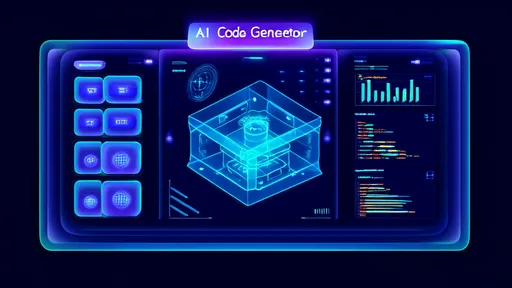
The rise of AI-assisted UI code generation tools is reshaping how designers and developers approach interface creation. These innovative platforms leverage machine learning algorithms to translate design mockups into functional code, bridging the gap between visual concepts and technical implementation. As the demand for faster development cycles grows, these tools are becoming indispensable in modern workflows.
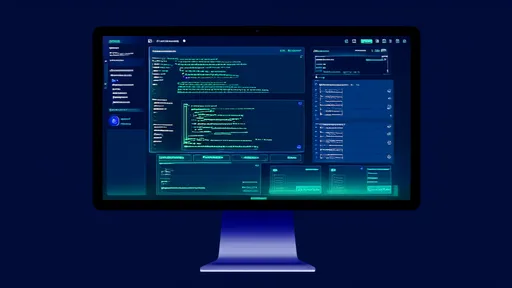
Understanding the core functionality of these tools reveals their true potential. Most AI-powered UI generators analyze design files (like Figma or Sketch prototypes) and automatically produce clean HTML, CSS, and JavaScript code. The technology goes beyond simple template matching—it understands design systems, recognizes reusable components, and even suggests optimizations for different screen sizes. This capability significantly reduces the manual coding burden while maintaining consistency across projects.
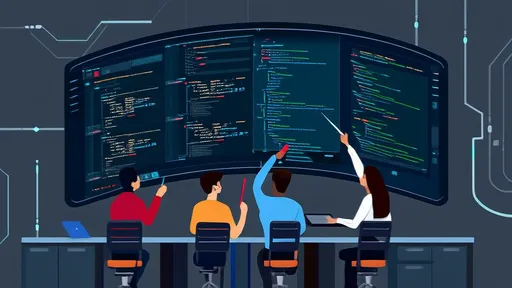
The impact on development teams has been profound. Junior developers can now focus on complex logic rather than repetitive styling tasks, while senior engineers spend less time reviewing basic markup. Designers benefit from seeing their visions translated into working prototypes almost instantly, enabling rapid iteration. This symbiotic relationship between human creativity and machine efficiency is producing higher-quality interfaces in fraction of the traditional timeframe.
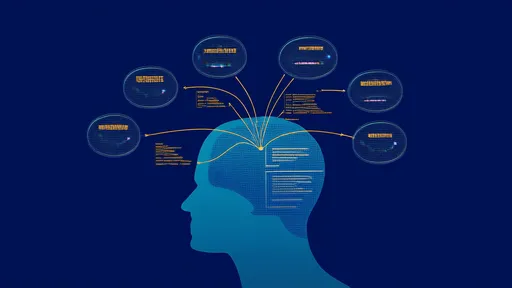
Current market leaders in this space employ various technical approaches. Some tools use computer vision to interpret static designs, while others integrate directly with design software through APIs. More advanced solutions incorporate natural language processing, allowing developers to describe UI elements in plain English that the system then converts to code. The most sophisticated platforms learn from each project, continuously improving their output quality based on user feedback and corrections.
Performance considerations remain crucial when evaluating these tools. While the generated code is typically production-ready, experts recommend thorough review for optimization opportunities. The AI might produce slightly verbose CSS or unnecessary DOM elements in its quest to perfectly match the design. However, the trade-off between perfection and productivity often favors using these tools—the time saved outweighs minor inefficiencies that can be addressed during code review.
Accessibility represents both a challenge and opportunity for AI code generators. Modern tools increasingly incorporate WCAG standards automatically, adding proper ARIA labels and ensuring color contrast ratios meet requirements. This built-in compliance helps teams create more inclusive products without extensive manual auditing. However, some nuanced accessibility needs still require human judgment, reminding us that AI serves best as an augmentation tool rather than complete replacement.
The business implications extend beyond technical teams. Companies adopting these solutions report faster time-to-market and reduced development costs. Startups particularly benefit from being able to iterate quickly with limited engineering resources. Even large enterprises find value in standardizing UI patterns across distributed teams through shared AI design systems. This democratization of interface creation is lowering barriers to digital product development across industries.
Looking toward the future, we can expect these tools to become more context-aware. Emerging versions promise to understand not just what to code, but why—considering user flows, business objectives, and technical constraints during generation. Some experimental platforms even adjust designs in real-time based on performance metrics or A/B test results. As the technology matures, the line between design tool and development environment will continue to blur.
Implementation challenges persist despite the progress. Teams must establish processes for integrating AI-generated code with existing codebases and version control systems. There's also the learning curve—designers need basic coding literacy to provide AI-friendly mockups, while developers must understand how to efficiently modify generated code. Successful adoption requires cultural shifts as much as technical integration.
The ethical dimensions of AI code generation warrant consideration. Questions arise about originality when systems are trained on existing codebases, and companies must navigate licensing implications. There's also the philosophical debate about how much creative work should be automated. These discussions will intensify as the technology becomes more sophisticated and widespread in the development community.
For teams considering adoption, the evaluation process should focus on specific needs. Some tools specialize in rapid prototyping, while others aim for production-grade output. Integration capabilities with existing design systems and tech stacks often determine success. Pilot projects typically demonstrate value fastest, allowing teams to assess quality and workflow impact before full commitment.
The evolution of these tools reflects broader trends in software development. As AI handles routine implementation tasks, human professionals can concentrate on higher-value problem solving and innovation. This doesn't eliminate jobs so much as transform them—the most successful teams will be those that learn to effectively collaborate with AI counterparts. The UI code generator represents just one manifestation of this fundamental shift in how we build digital experiences.
Practical applications already span numerous sectors. E-commerce platforms use these tools to quickly test new product page layouts. Media companies generate interactive article templates on demand. Even traditionally conservative industries like banking are adopting the technology for creating consistent, regulatory-compliant interfaces across their digital properties. The versatility proves these aren't niche products but mainstream solutions.
As with any transformative technology, growing pains accompany the benefits. Some designers initially resist what they perceive as encroachment on their creative domain. Developers accustomed to full control may distrust machine-generated code. These human factors often prove more challenging than technical limitations. Organizations implementing these tools must address concerns through education and demonstrate how AI augmentation actually enhances rather than replaces human expertise.
The competitive landscape continues to evolve rapidly. New entrants differentiate through specialized capabilities like generating animations or platform-specific native components. Established players expand their feature sets through acquisitions and partnerships. This dynamic environment ensures continuous innovation but also requires buyers to carefully assess vendor stability and roadmap alignment with their needs.
Measuring return on investment goes beyond simple time savings metrics. The true value emerges in improved design consistency, reduced bugs from manual coding errors, and accelerated product experimentation cycles. Forward-thinking organizations track how these tools affect not just developer productivity but overall product quality and business outcomes. The most compelling case studies show correlation between AI-assisted UI development and improved customer satisfaction metrics.
Long-term, these tools may fundamentally change software education. As routine coding becomes automated, curricula might emphasize higher-level architecture and problem-solving over syntax memorization. Some predict future designers will need deeper understanding of AI capabilities to create generator-friendly mockups. This educational shift will take years to materialize but could produce professionals with hybrid skills better suited to the AI-augmented workplace.
The relationship between AI and human creativity remains collaborative rather than adversarial in successful implementations. These tools excel at executing predefined patterns but still rely on human guidance for innovative solutions and emotional design elements. The most effective teams use AI to handle the predictable aspects of UI development, freeing mental bandwidth for truly creative problem-solving where human intuition excels.
As the technology becomes more accessible, even non-technical stakeholders can participate in the interface creation process. Marketing teams can tweak landing pages without developer dependencies. Product managers can prototype feature concepts directly. This decentralization of UI development empowers organizations to be more agile but requires governance to maintain technical quality and design consistency across autonomous teams.
The future trajectory points toward increasingly intelligent systems that understand design intent at conceptual levels. Next-generation tools might suggest interface improvements based on user behavior data or automatically adapt layouts for new device formats. Some visionaries imagine systems that continuously refine interfaces based on real-world usage without human intervention. While such scenarios raise questions about creative control, they illustrate the transformative potential of this technology.
For now, AI-assisted UI code generation stands as a powerful example of how machine learning can enhance human capabilities without replacing them. These tools don't eliminate the need for skilled designers and developers but rather amplify their impact. As adoption grows and the technology matures, they promise to redefine not just how we build interfaces, but how we conceptualize the entire digital creation process.

By /Jul 22, 2025

By /Jul 22, 2025
By /Jul 22, 2025

By /Jul 22, 2025
By /Jul 22, 2025

By /Jul 22, 2025
By /Jul 22, 2025
By /Jul 22, 2025
By /Jul 22, 2025

By /Jul 22, 2025

By /Jul 22, 2025

By /Jul 22, 2025

By /Jul 22, 2025

By /Jul 22, 2025
By /Jul 22, 2025

By /Jul 22, 2025

By /Jul 22, 2025
By /Jul 22, 2025
