In an era where digital content creation is booming, the demand for copyright-compliant music has never been higher. Content creators, filmmakers, advertisers, and even social media influencers constantly seek high-quality audio while avoiding legal pitfalls. This has led to the rapid development of intelligent copyright detection tools designed to analyze and verify music usage rights with unprecedented accuracy.
Traditional methods of checking music copyrights involved manual searches through databases or relying on platform-generated claims—a time-consuming and often unreliable process. Modern AI-driven solutions now scan audio fingerprints in seconds, comparing them against vast databases of registered works. These tools don't just identify copyrighted material; they can distinguish between original compositions, royalty-free tracks, and protected works with complex licensing requirements.
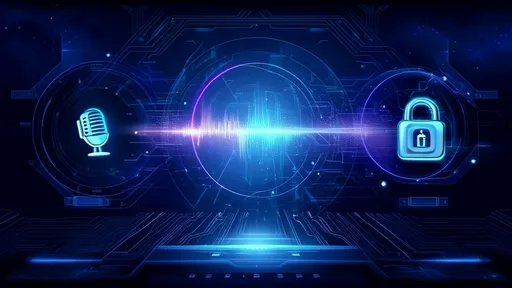
How these detection systems work reveals fascinating technological sophistication. Advanced algorithms break down songs into unique spectral patterns—essentially creating a digital fingerprint for every piece of music. When analyzing new audio, the system doesn't just look for identical matches; it can identify sampled portions, remixed elements, or even significantly altered versions of protected works. This capability proves particularly valuable for platforms hosting user-generated content where copyright infringement often occurs unintentionally.
The legal landscape surrounding music copyright continues to evolve, making these tools indispensable. Recent high-profile lawsuits have demonstrated how easily creators can face severe penalties for unauthorized music use, even in seemingly innocuous situations. Detection tools now incorporate constantly updated databases reflecting the latest copyright registrations and licensing agreements, providing users with real-time compliance information.
Beyond simple copyright checks, the newest generation of tools offers creative solutions. Some platforms suggest alternative tracks with similar moods or rhythms but without licensing restrictions when they detect problematic audio. Others provide instant licensing options, allowing creators to legally use detected copyrighted material through integrated purchase systems. This transforms what was once a barrier into a streamlined workflow enhancement.
Content platforms have begun integrating these detection tools directly into their upload processes. Major video sharing sites now automatically scan all uploaded content, flagging potential copyright issues before publication. This proactive approach benefits all parties—rights holders receive proper attribution and compensation, while creators avoid post-publication takedowns or monetization blocks that could damage their channels' performance.
The technology does face certain limitations that developers continue to address. Short audio clips, heavily distorted music, or simultaneous layered tracks can sometimes evade detection. Similarly, the system occasionally flags false positives—especially with compositions that share common chord progressions or rhythmic patterns. However, machine learning improvements steadily reduce these occurrences as the algorithms process more examples.
Looking ahead, copyright detection tools will likely expand beyond simple yes/no determinations about music usage. Emerging developments suggest future systems could automatically generate detailed reports explaining exactly which elements of a composition triggered copyright concerns—melody, harmony, rhythm, or specific sound recordings. Such granular analysis could revolutionize how creators understand and work with copyrighted material, fostering more informed creative decisions.
For independent musicians and small studios, these tools serve a dual purpose. While helping avoid unauthorized use of others' work, they also protect original compositions by making it easier to detect and address infringement. Some platforms now offer automated copyright registration services alongside detection features, creating comprehensive solutions for music creators at all levels.
The business implications are equally significant. Companies that license music for commercial use increasingly rely on detection tools to audit their content libraries, ensuring proper licensing across vast catalogs. Advertising agencies use them to vet client submissions, while streaming services employ similar technology to manage their recommendation algorithms and royalty distributions.
As artificial intelligence continues advancing, we can expect copyright detection tools to become even more sophisticated. Potential future capabilities might include predictive analysis of copyright trends, automated negotiation of usage rights, or even AI-assisted music creation that inherently avoids copyright issues while maintaining artistic quality. The intersection of legal compliance and creative freedom has never seen such promising technological solutions.
The development of these tools represents more than just technical achievement—it reflects the music industry's adaptation to digital realities. By making copyright management more accessible and efficient, these intelligent systems help sustain the ecosystem that allows both established artists and emerging creators to thrive in the digital age.
By /Jul 22, 2025
By /Jul 21, 2025

By /Jul 21, 2025
By /Jul 21, 2025
By /Jul 21, 2025

By /Jul 21, 2025

By /Jul 21, 2025

By /Jul 21, 2025

By /Jul 21, 2025
By /Jul 21, 2025

By /Jul 21, 2025

By /Jul 21, 2025
By /Jul 21, 2025

By /Jul 21, 2025

By /Jul 21, 2025
By /Jul 21, 2025
By /Jul 21, 2025

By /Jul 21, 2025
